
AI Is Learning to Control Robots. Google Just Took It One Step Further.
Imagine telling a robot to clean your room, sort your laundry, or help you carry groceries, and it actually understands what to do.
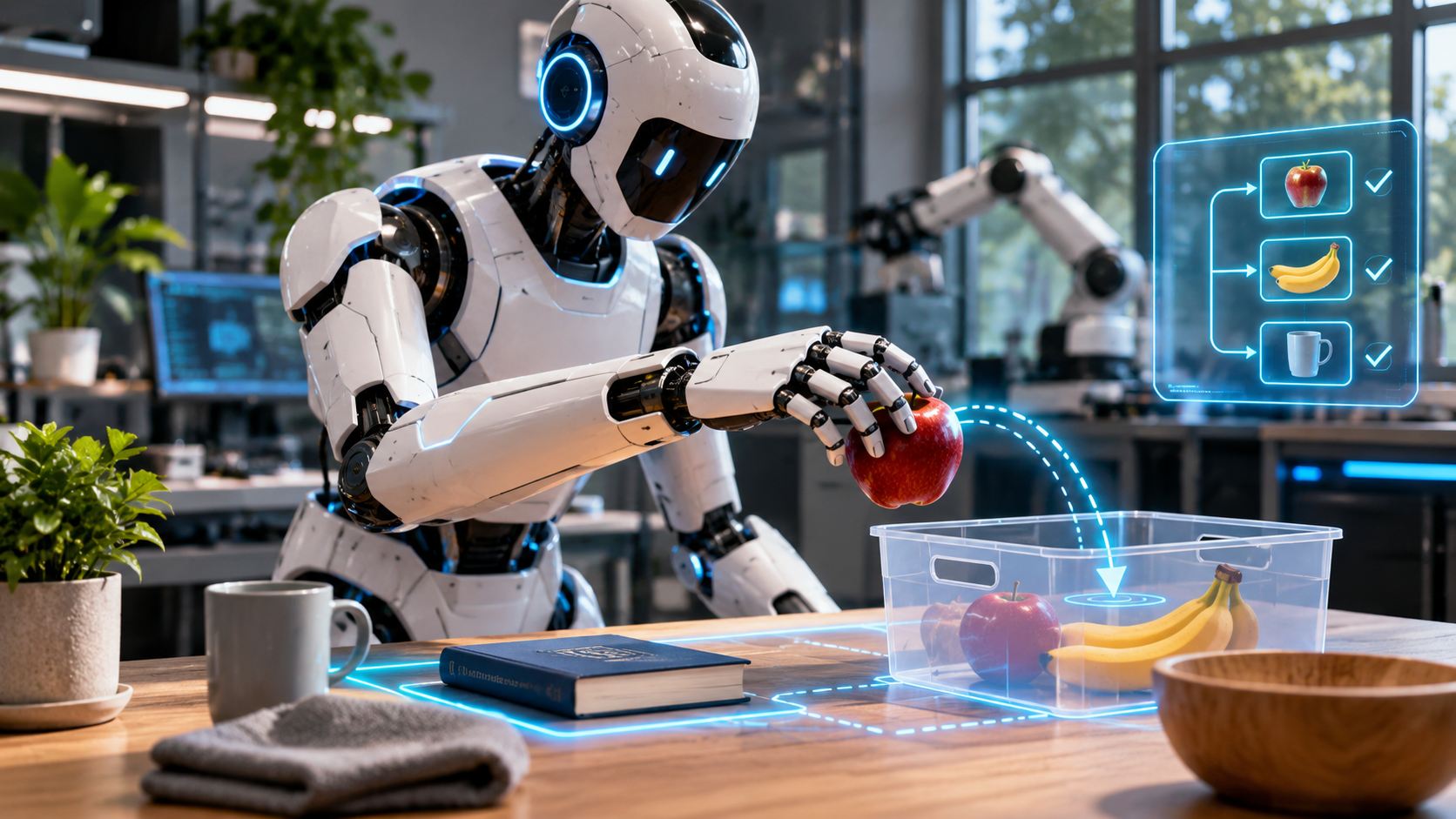
Google announced Gemini Robotics Embodied Reasoning 2 on Google Cloud. This AI gives robots a smarter brain to understand their surroundings, plan multi-step physical tasks, and cooperate with other robots instead of only repeating fixed movements.
Key Takeaways
- •Google released Gemini Robotics Embodied Reasoning 2 in public preview on Google Cloud.
- •The system helps robots plan multi-step physical tasks and adjust when things change.
- •Robots can now tie knots, handle small objects, and cooperate on shared jobs.
- •Physical AI moves beyond screen chat into real-world warehouses, shops, and homes.
- •Safety rules and human supervision remain essential as robots handle physical work.
Imagine telling a robot to clean your room, sort your laundry, or help you carry groceries, and it actually understands what to do.
For years, we have watched robots do some pretty impressive things. They can build cars, move packages, and even dance.
But there has always been one big problem. Most robots are only good at doing things they have been taught to do. What happens when you ask one to do something new? Well, Google is working on changing that. And its latest AI update is a pretty big deal.
1.Google Is Giving Robots a Smarter Brain
On October 27, Google announced that its Gemini Robotics Embodied Reasoning 2 system was available in public preview on Google Cloud.
That is a long name, so here is the simple version. Google is building AI that helps robots understand what is happening around them, figure out what needs to be done, and plan how to do it.
Think about how you use AI chat tools today. You type a question, and it gives you an answer. Now imagine something similar connected to a robot that can move around and interact with real objects. Instead of just telling you how to organize your kitchen, the goal is for a robot to help do it. That is what makes this technology interesting.
AI is moving fast from screens to the physical world. While home chore robots are still developing, Florida businesses can already use smart automation today for calls, texts, and customer scheduling.
2.What Can These Robots Actually Do?
Google says its newer robotics systems can help machines plan tasks that take several minutes and involve hundreds of decisions.
For example, imagine asking a robot to put away your groceries. Sounds simple, right? Not really. The robot would need to recognize each item, figure out where it belongs, avoid dropping anything, and adjust when something gets in its way. That is a lot of decisions for something we barely think about.
Google has also demonstrated robots performing tasks that require careful hand movements, such as tying knots and handling small objects. The technology is still being developed, but it is starting to move beyond robots that simply repeat the same movements.
3.Here Is Where Things Get Even More Interesting
Google is also working on getting multiple robots to cooperate.
Imagine having two robots working together. One picks up a box while the other clears a space for it. Or one robot collects items while another organizes them. Instead of each robot working alone, they can coordinate parts of a larger task.
This could eventually become useful in warehouses, factories, hospitals, and other workplaces. And yes, maybe even our homes. But we are not at the point where everyone can buy a robot that handles every household chore. There is still a lot of work to do.
Want more calls without more work?
Lanco Ignite runs your ads and AI follow up so leads turn into paying jobs.
4.Could This Change the Way We Work?
I think this is the question everyone should be asking.
We have already seen AI help people write emails, build websites, answer customer questions, and complete tasks on computers. Now companies are working on bringing that same kind of intelligence into the physical world.
Think about a warehouse where robots can adjust when something unexpected happens. Or a business where a robot helps employees with repetitive tasks. That could save time and allow people to focus on other responsibilities.
But there is another side to this. What happens to jobs that involve doing the same physical tasks every day? Could some jobs change completely? Will new jobs be created to manage and repair these machines? Nobody knows exactly how this will play out. What we do know is that businesses and workers will have to pay attention as this technology improves.
5.Should We Be Excited or Worried?
Probably a little of both.
A robot that can help someone with limited mobility sounds amazing. A robot that makes dangerous jobs safer could also be a huge benefit. But a robot that makes decisions in the real world also needs to be reliable.
It is one thing for AI to give you the wrong answer on a computer. It is another thing for a robot to make a mistake while carrying something heavy or working near people. That is why testing, safety rules, and human supervision matter so much. And while Google announcement is impressive, a public preview of an AI model does not mean the robots are ready to handle every task on their own.
6.My Take: We Are Watching AI Enter a New Stage
Here is what I find interesting about all of this. A few years ago, most people were not even using AI in their everyday lives. Now we are using it to study, work, build businesses, and solve problems. And companies like Google are working on taking it beyond our screens.
I do not think everyone will have a robot walking around their house tomorrow. But I do think we are going to see some pretty interesting changes over the next few years. The bigger question might not be whether robots can learn to do more things. It might be how we decide to use them once they can. And that is something worth paying attention to.
Frequently Asked Questions
Note on our guides:
We write for real Florida business owners. Pricing and local rules change over time, so verify details before making major purchases.
Nic Polanco Jr.
Founder and Editor in Chief
Nic Polanco Jr. is the founder of Lanco Ignite in Port St. Lucie. He helps local businesses get more calls with ads and AI follow up. He holds a B.S. in Information Technology from UCF.
Was this helpful?
Read next
All articles
5 Free AI Moves That Do Paid Work (Google Just Gave Search a Brand New Brain)
Google rolled a smarter model into Search for everyone this week. That got me thinking about your wallet. Here are five free moves that do jobs people often pay someone to do, with the catch on each one.
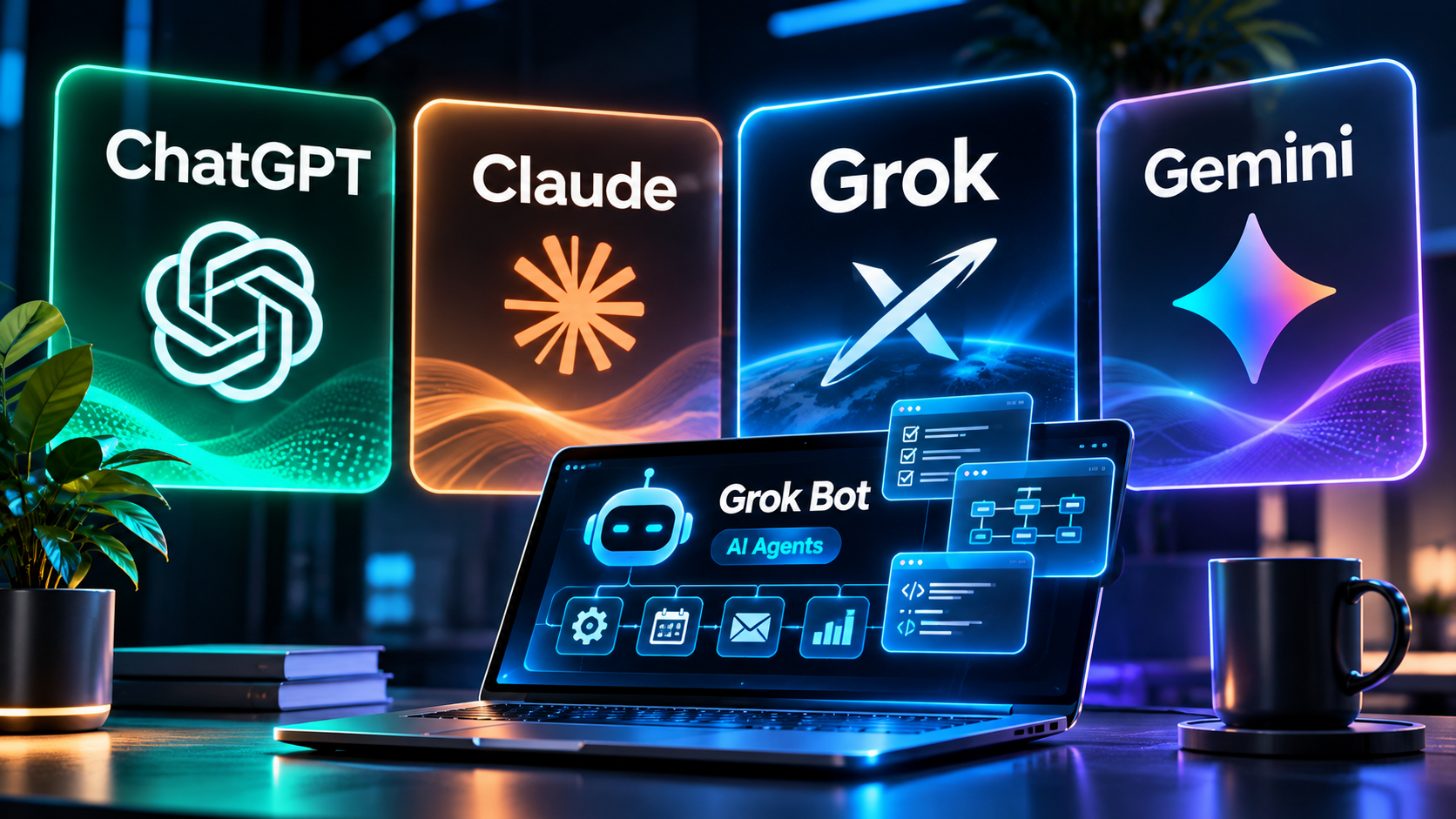
ChatGPT vs. Claude vs. Grok vs. Gemini: Which AI Is Actually the Best in 2026?
Four of the biggest names in artificial intelligence are competing to become the AI you use every day. But one of them is changing what it means to have an AI assistant.
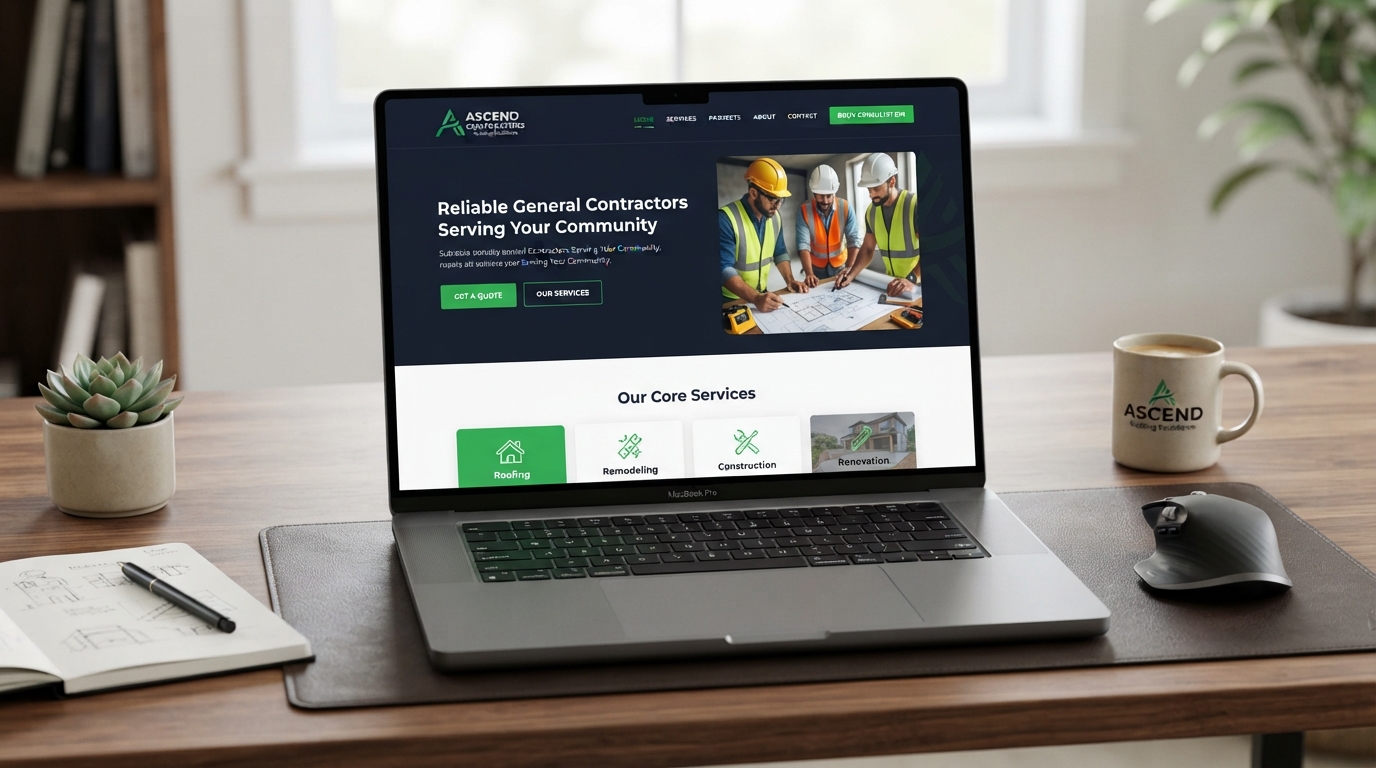
Why Your Contractor Website Is Losing Leads (And How to Fix It)
Your website should be your best salesperson. If it is not generating leads, something is broken. Here are the most common problems and how to fix them.